Implementation and certification support for Iraqi organizations building a structured complaints-handling process and moving toward credible third-party certification readiness.
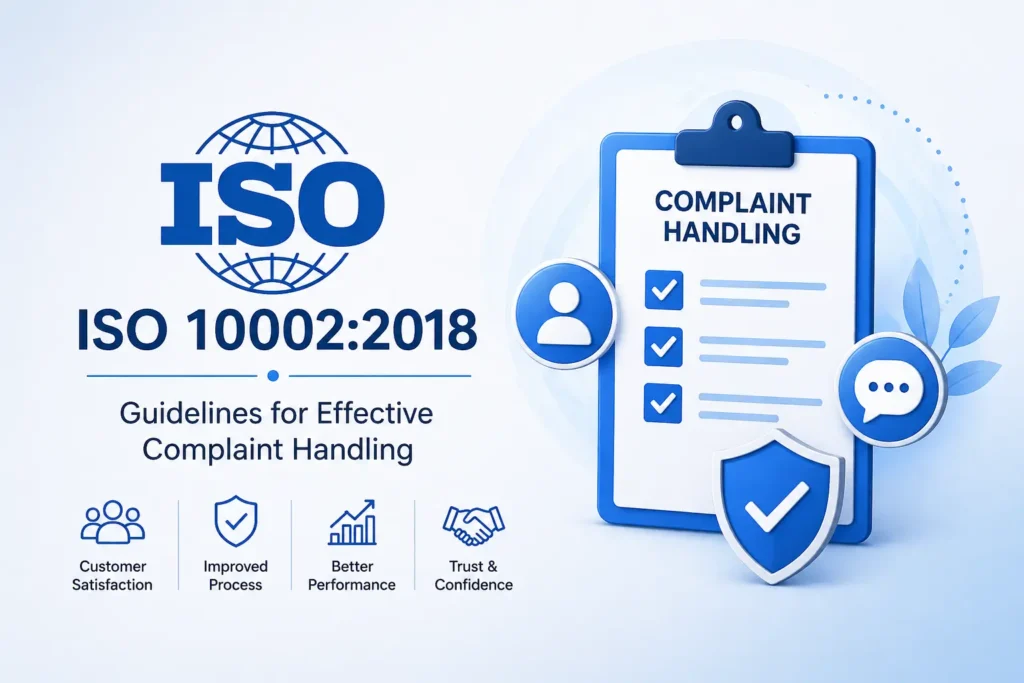
ISO 10002:2018 gives guidelines for complaint handling related to products and services within an organization. It is built to help organizations design, run, review, and improve a complaints-handling process that supports customer satisfaction instead of letting complaints drift into inconsistency, delay, or escalation. ISO also states that the standard is intended for organizations of any type or size and can be used as part of a broader quality management system.
In Iraq, the standard is relevant to organizations that need a clearer, more disciplined way to manage complaints across branches, teams, and service channels. That can include manufacturers, hospitals, telecom operators, banks, universities, public-service organizations, and service businesses dealing with high complaint volume or reputational pressure.
AGS supports this work from its regional office in Basra and coordinates service delivery across Baghdad, Erbil, and other Iraqi cities. The practical focus is straightforward: define the complaints-handling process properly, close readiness gaps, prepare the evidence, and move toward a credible third-party certification or assessment route where that route fits the organization.
ISO 10002 implementation refers to building and aligning a complaints-handling system with ISO 10002 guidelines, which can then be assessed or certified through external providers where applicable. The standard itself gives guidelines for complaint handling related to products and services within an organization, including planning, design, development, operation, maintenance, and improvement.
It is meant for real operational use, not just policy language. ISO says the standard addresses customer-focused complaint handling, top management involvement, personnel training, auditing of the complaint-handling process, and review of effectiveness and efficiency. That is why it is useful for organizations that need complaint handling to be controlled, reviewable, and measurable.
There are also clear boundaries. ISO 10002 does not apply to disputes referred outside the organization for resolution, and it does not apply to employment-related disputes. That keeps the standard focused on complaint handling tied to products and services rather than every grievance a business might receive.
At a practical level, organizations usually need to show that the complaints process is designed, operated, reviewed, and improved in a disciplined way. That usually includes:
That does not mean every organization needs the same paperwork stack. It means the business needs enough structure and evidence to show that complaints are handled consistently, fairly, and in a way that feeds back into service improvement.
Any organization in Iraq that handles customer complaints in a recurring or business-critical way should look at ISO 10002 seriously. That includes service companies, manufacturers, hospitals, telecom providers, banks, schools, housing developers, utility-facing contractors, and public bodies that need a more reliable complaint process. ISO is explicit that the standard is intended for organizations of any type, any size, and all sectors.
The standard becomes especially relevant when complaints are handled differently by different teams, when leadership lacks visibility into complaint trends, or when customer dissatisfaction is starting to damage trust, repeat business, or internal control.

The main benefit is control. ISO 10002 helps organizations turn complaints from a reactive customer-service problem into a managed business process. That usually leads to faster complaint handling, more consistent responses, better visibility into recurring issues, and stronger customer confidence in how the organization deals with problems.
For businesses in Iraq, that matters in very practical ways. A structured complaints process helps leadership see where customer experience is breaking down, helps teams respond with more consistency, and gives the organization better evidence when it needs to show that complaints are taken seriously and handled through a defined system. It also fits naturally into broader quality management work, which is why ISO says it can be used as part of an overall QMS.
Done properly, the standard supports customer satisfaction, complaint resolution discipline, service consistency, and business reputation. It does not remove every complaint. It gives the business a cleaner way to receive, assess, resolve, learn from, and improve around complaints instead of treating them as disconnected incidents.
Satisfied Clients
Years of Experience
ISO certifications
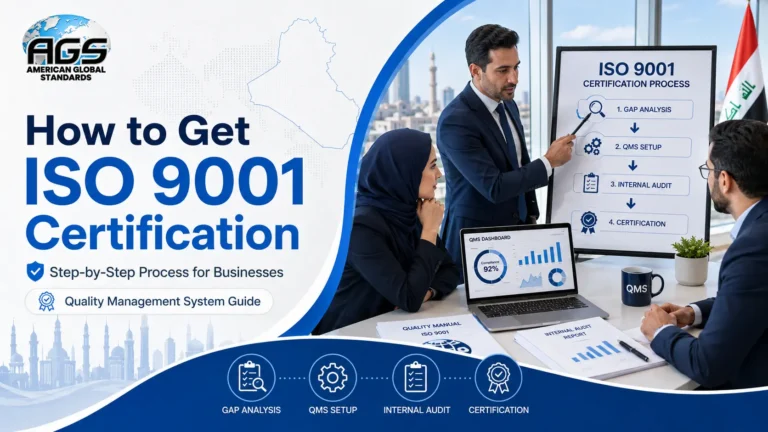
In Iraq, the route usually starts with process readiness, not with a certificate request. The organization first needs to understand its complaint channels, current ownership model, recurring weak points, and the evidence it already has. From there, the work typically moves into process design or improvement, documentation, training, internal review, and then coordination with an external certification body or assessment provider, where that route is appropriate.
That is also where the Iraq-specific value of local support becomes practical. AGS maintains a regional office in Basra and coordinates on-site audit and support activity across Iraqi cities, which makes it easier to align documentation, interviews, and readiness work with local operating conditions instead of trying to manage everything remotely from outside the country.
If complaint handling already feels messy inside your organization, the best time to fix it is before the external review starts. AGS can help you map the weak spots, tighten the process, and get the evidence in order before those issues turn into formal findings.
Use a simple checklist:
That is where provider quality starts to show. A weak provider talks in generalities. A strong provider can tell you what it will review, what it will deliver, how the route works, and how the resulting certificate or assessment can be checked.
If complaint handling in your organization feels inconsistent, unclear, or reactive, ISO 10002 provides a structured way to bring it under control.
AGS helps organizations in Iraq design and improve complaints-handling systems aligned with ISO 10002, close gaps in current processes, and prepare for external assessment or certification when needed.
We begin by mapping how complaints actually move through your organization today, then identify what needs to change to make the system consistent, auditable, and easier to manage.
You can expect focused, practical deliverables:
Tell AGS how complaints currently move through your business and where the process breaks down.
We’ll help you turn that into a controlled complaints-handling system that is easier to manage, easier to audit, and easier for customers to trust.


There is no honest fixed timeline. The timing depends on how mature the current complaints process is, how much documentation already exists, how many teams are involved, and whether the organization needs redesign work before the external review.
There is no single public market-wide price. Cost depends on the size of the organization, number of sites, process complexity, current readiness, and the external certification or assessment route selected. The right way to price it is after scope review, not before.
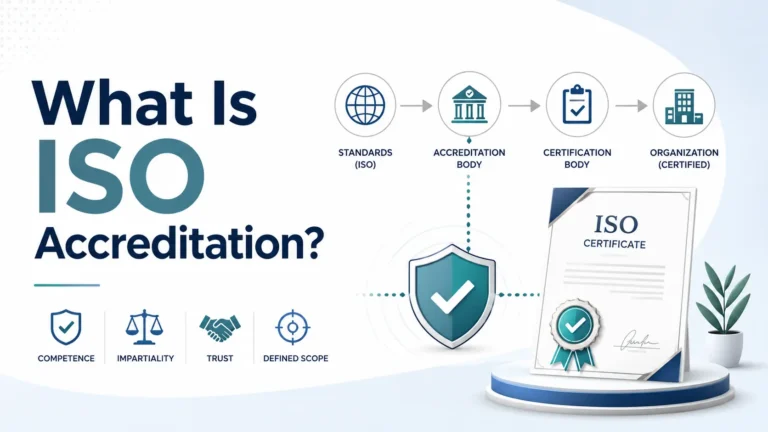
No. ISO does not perform certification or issue certificates. Certification is performed by external certification bodies.
Use the certificate itself, the issuing certification body, and the validation route provided by that body. Where applicable, certificates can also be checked through IAF CertSearch, which is presented as the official global database for accredited certificates.
Yes. ISO states that the complaints-handling process described in ISO 10002 is suitable for use as one of the processes of an overall quality management system.
ISO 10002 does not apply to disputes referred outside the organization for resolution, and it does not apply to employment-related disputes.