UL / CE MARK PRODUCT CERTIFICATION


    ISO Certification

    ISO 14001 CERTIFICATION
    ISO 18001 CERTIFICATION
    ISO 45001 CERTIFICATION
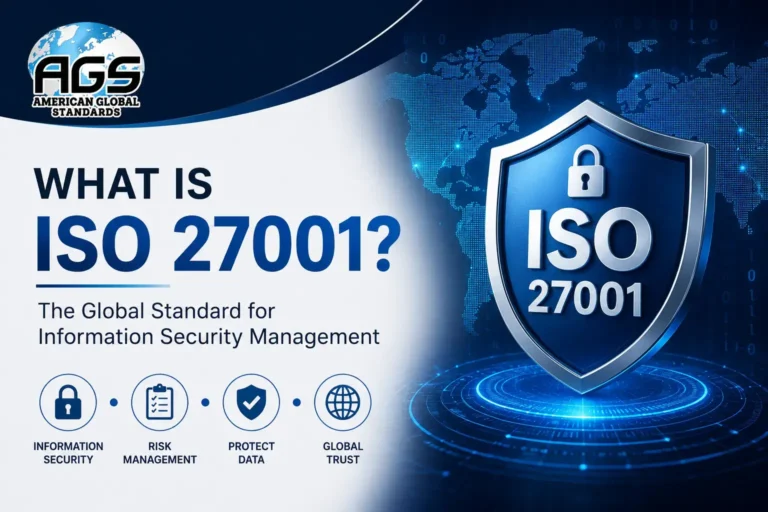
    ISO 27001 CERTIFICATION
    ISO 22000 CERTIFICATION
    ISO 50001 CERTIFICATION
    ISO 29001 CERTIFICATION
    ISO 18788 CERTIFICATION
    ISO 37001 CERTIFICATION
    ISO 22301 CERTIFICATION
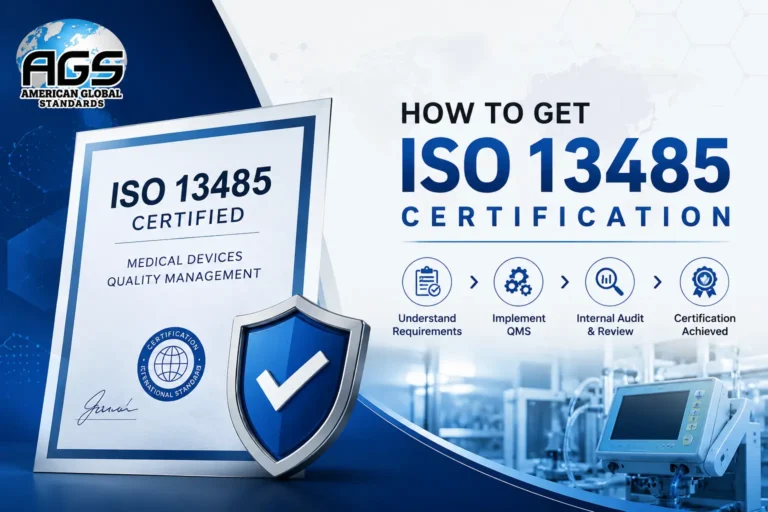
    ISO 13485 CERTIFICATION
    ISO 10002 CERTIFICATION
    ISO 21500 CERTIFICATION
    ISO 17025 CERTIFICATION
    ISO 15189 CERTIFICATION

    UL and CE Marking

    • UL Marking: UL (Underwriters Laboratories) is a global safety certification organization that tests and certifies products for safety and performance. The UL Mark signifies that a product has undergone rigorous testing and meets high safety standards. It is primarily recognized in North America and is required for many consumer and industrial products to be sold in the U.S. and Canada.


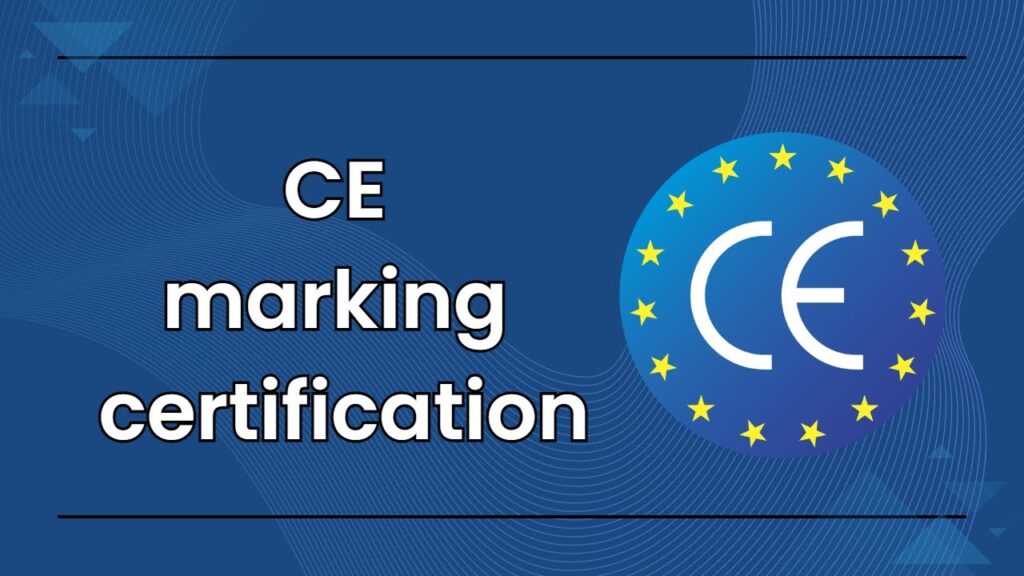
    • CE Marking: The CE Mark is a mandatory conformity mark for products sold within the European Economic Area (EEA). It signifies that a product complies with European Union (EU) safety, health, and environmental protection standards. The CE Mark is essential for businesses looking to market products within the European Union and is a key indicator of product compliance.

    Benefits of UL Marking

    1. Market Access in North America
      UL Marking is crucial for accessing the North American market, particularly in the U.S. and Canada. Many retailers and consumers demand UL-certified products to ensure safety and quality.
    2. Product Safety and Reliability
      Products bearing the UL Mark have undergone extensive safety testing to meet the highest industry standards. This ensures that consumers can trust the product’s reliability and safety, reducing the risk of hazards or failures.
    3. Consumer Confidence
      The UL Mark is a widely recognized symbol of quality and safety. Displaying this mark on your product increases consumer trust and helps build brand credibility.
    4. Regulatory Compliance
      UL certification ensures that your product meets specific regulatory requirements in the U.S. and Canada, helping you avoid fines, recalls, or legal issues. It also facilitates smoother entry into regulated markets.
    5. Enhanced Brand Reputation
      The UL Mark enhances your product’s reputation, as it signals a commitment to quality and safety. Companies with UL-certified products are viewed as more trustworthy and reliable, which can help differentiate them in a competitive market.
    6. Increased Sales Opportunities
      UL Marked products are more likely to be accepted by distributors, retailers, and consumers. Many commercial contracts and retail agreements require UL certification as a condition for product acceptance.

    Doing the right thing, at the right time.

    300+

    Satisfied Clients

    10+

    Years of Experience

    1700+

    ISO certifications

    Requirements for UL Marking

    1. Testing and Evaluation
      Products must undergo rigorous safety testing by UL’s accredited laboratories. These tests assess various aspects of the product, including electrical safety, fire hazards, and overall durability.
    2. Compliance with UL Standards
      Products must comply with specific UL standards relevant to their category (e.g., electronics, machinery, or building materials). Manufacturers must demonstrate that their products meet these established safety criteria.
    3. Product Labeling
      Once certified, products must be appropriately labeled with the UL Mark, including necessary safety warnings or instructions for use. This ensures that consumers are fully informed of potential risks and proper product use.
    4. Regular Audits and Inspections
      After receiving UL certification, products are subject to regular audits and inspections. These are conducted to verify ongoing compliance with safety standards and to ensure that manufacturing processes remain consistent.
    5. Manufacturer’s Responsibility
      Manufacturers must provide documentation and ongoing cooperation with UL to maintain certification. This includes adhering to changes in safety standards and ensuring continuous product safety compliance.

    Benefits of CE Marking

    1. Access to the European Market
      CE Marking is required for products sold within the European Economic Area (EEA). It ensures that your product can be legally marketed and sold across all EU member states, opening up access to a large and diverse market.
    2. Compliance with EU Regulations
      CE Marking ensures that your product meets the European Union’s safety, health, and environmental requirements. It also demonstrates your commitment to protecting the well-being of consumers and the environment.
    3. Consumer Assurance
      The CE Mark is recognized by consumers as a symbol of product safety and reliability. It helps to increase consumer confidence in your product, as they can be assured that it complies with rigorous EU standards.
    4. Global Recognition
      While CE Marking is mandatory for products sold in the EU, it is also recognized in many countries outside the EU. The CE Mark can open doors to international markets by demonstrating compliance with high safety standards.
    5. Facilitates Free Movement of Goods
      CE Marking facilitates the free movement of products across European borders. By meeting EU standards, your product is recognized in all EEA countries, which simplifies distribution and reduces administrative hurdles.
    6. Legal Protection
      CE Marking offers legal protection for manufacturers. By demonstrating compliance with EU regulations, it reduces the risk of product recalls, fines, or litigation, providing assurance to both manufacturers and consumers.
     
    Basra Municipality Requirements for ISO Certification

    Requirements for CE Marking

    1. Conformity Assessment
      Manufacturers must perform a conformity assessment to determine whether their product meets the relevant EU directives or regulations. This involves evaluating product design, materials, and performance.
    2. Technical Documentation
      Manufacturers must create and maintain technical documentation that demonstrates how the product complies with EU safety, health, and environmental requirements. This documentation must be available for inspection by regulatory authorities.
    3. Testing and Certification
      Depending on the product type, third-party testing or certification may be required. Not all products need external certification; however, products in certain categories (e.g., medical devices, machinery) may need to undergo independent assessment by a Notified Body.
    4. CE Mark Labeling
      Once a product meets EU standards, manufacturers must affix the CE Mark to their product. The mark should be visible, legible, and indelible, and accompanied by additional information if required (e.g., product serial number, manufacturing details).
    5. Declaration of Conformity
      Manufacturers must issue a Declaration of Conformity, which is a formal document confirming that the product meets all relevant EU requirements. This declaration is a legal requirement for CE-marked products and must be available for regulatory authorities.
    6. Post-Market Surveillance
      After placing the product on the market, manufacturers must monitor its performance and safety. Any safety issues or defects must be reported to the relevant authorities, and corrective actions must be taken if necessary.


    UL Marking and CE Marking are essential for businesses aiming to sell products in regulated markets such as North America and the European Union. Both certifications demonstrate compliance with high safety, environmental, and health standards, ensuring that products are safe for consumers and meet legal requirements. Whether you’re aiming to enter the U.S. market with UL certification or expand into Europe with CE marking, obtaining these certifications provides access to international markets, enhances brand reputation, and ensures consumer safety.


    Industries Sector

    Oil & Gas
    Construction & Infrastructure
    Manufacturing & Industrial Production
    Food, Agriculture & Processing
    Security & Private Protection Services
    Government & Public Sector
    IT & Digital Services
    Healthcare & Medical Services
    Laboratories & Testing Facilities
    Logistics & Transportation
    Energy & Utilities
    Banking, Financial Services & Insurance
    Educational institutions
    Healthcare Organizations

    Trainings

     
    Quality
     
    Environment
     
    Health & Safety
     
    Food Safety
     
    Business Continuity

    Blogs & News

    ISO Certification

    ISO certification

    How Many Types of ISO Certification Are There?

    How Many Types of ISO Certification Are There? ISO certification applies to 4 categories of…
    READ MORE →
    ISO certification

    What Is ISO Certification? Definition, Process, and How to Verify It

    What Is ISO Certification? Definition, Process, and How to Verify It ISO certification is a…
    READ MORE →
    Basra Municipality Requirements for ISO Certification

    Government Procurement & Tender Requirements in Basra

    Government Procurement & Tender Requirements in Basra ISO Certification, Compliance Expectations & Practical Guidance Government…
    READ MORE →
    Basra Municipality Requirements for ISO Certification

    Basra Municipality Requirements for ISO Certification: What Businesses Must Comply With

    Basra Municipality Requirements for ISO Certification: What Businesses Must Comply With Basra Municipality does not…
    READ MORE →
    ISO for Food Businesses in Basra

    ISO for Food Businesses in Basra

    ISO for Food Businesses in Basra: A Complete Guide to Food Safety, Compliance & ISO…
    READ MORE →
    ISO for Manufacturing in Basra

    ISO for Manufacturing in Basra

    ISO for Manufacturing in Basra: How International Standards Strengthen Industrial Performance? Basra’s manufacturing sector is…
    READ MORE →
    ISO for Construction Companies in Basra

    ISO for Construction Companies in Basra

    ISO for Construction Companies in Basra: A Complete Guide for 2026 This is the practical…
    READ MORE →
    ISO for Security Companies in Basra

    ISO for Security Companies in Basra

    ISO for Security & PSC Companies in Basra (2026 Guide) This is the practical guide…
    READ MORE →
    ISO Certification for Oil & Gas Companies in Basra

    ISO Certification for Oil & Gas Companies in Basra

    ISO Certification for Oil & Gas Companies in Basra This is the practical guide for…
    READ MORE →
    Logo
    Logo
    Logo
    Logo
    Logo
    Logo
    Logo
    Logo
    Logo
    Logo
    Logo
    Logo
    Logo
    Logo

    UL / CE MARK Product Certification FAQ

    AGS-IRAQ stands out for its personalized approach, dedicated customer service, and comprehensive range of certification services. We provide ISO documentation, auditing, and training services in addition to the certification process. Our team is committed to ensuring that your business achieves and maintains ISO compliance with minimal hassle and maximum efficiency.

    Yes, AGS-IRAQ offers a wide range of ISO training courses tailored to meet the needs of your team. Our training programs include: • ISO 9001 Lead Auditor Training • ISO 14001 Environmental Management Training • ISO 45001 Occupational Health and Safety Training • ISO 22000 Food Safety Management Training • ISO 27001 Information Security Management Training • Internal Auditor Training for various ISO Standards These training courses are available both in-person and online across Iraq.

    Yes, AGS-IRAQ provides ISO certification services across all cities in Iraq, including Baghdad, Basra, Erbil, Mosul, Sulaymaniyah, Najaf, Kirkuk, and others. We are dedicated to assisting businesses in both large cities and smaller communities throughout Iraq.

    Start UL / CE MARK Product Certification Journey with AGS


      ISO Certification

      ISO 9001 CERTIFICATION
      ISO 14001 CERTIFICATION
      OHSAS 18001 CERTIFICATION
      ISO 45001 CERTIFICATION
      ISO 27001 CERTIFICATION
      ISO 22000 CERTIFICATION
      ISO 50001 CERTIFICATION
      ISO 29001 CERTIFICATION
      ISO 18788 CERTIFICATION
      ISO 37001 CERTIFICATION
      ISO 22301 CERTIFICATION
      ISO 13485 CERTIFICATION
      ISO 10002 CERTIFICATION
      ISO 21500 CERTIFICATION
      ISO 17025 CERTIFICATION
      ISO 15189 CERTIFICATION
       

      Industries Sector

      Oil & Gas
      Construction & Infrastructure
      Manufacturing & Industrial Production
      Food, Agriculture & Processing
      Security & Private Protection Services
      Government & Public Sector
      IT & Digital Services
      Healthcare & Medical Services
      Laboratories & Testing Facilities
      Logistics & Transportation
      Energy & Utilities
      Banking, Financial Services & Insurance
      Educational institutions
      Healthcare Organizations

      Trainings

      Quality
      Environment
      Health & Safety
      Food Safety
      Business Continuity
      Translate »