HACCP Certification for Hospitals helps healthcare food service teams control food safety hazards across hospital kitchens, patient meals, cafeterias, storage areas, ward delivery, and outsourced catering. AGS supports hospitals with HACCP gap assessment, documentation review, staff training, CCP monitoring preparation, corrective action planning, and audit readiness for external certification or food safety review.
Hospitals serve patients, staff, and visitors in a setting where food safety controls must be clear, documented, and consistently followed.
Request a Hospital HACCP Certification Review
HACCP certification support for hospitals focuses on building a controlled food safety system that can identify hazards, define critical control points, maintain records, and prepare the hospital for audit review.
This service is built around healthcare food service operations, not generic restaurant or manufacturing HACCP.
HACCP is a food safety control system, not one single universal certificate format.
Some hospitals use HACCP to strengthen internal food safety controls. Some prepare for a third-party HACCP audit or certification route. Others use HACCP principles as part of ISO 22000 or another food safety management system.
Before starting, the hospital should confirm:
This prevents the hospital from preparing for the wrong route or making a claim that the final certificate does not support.
AGS supports hospital and healthcare teams that need HACCP implementation, documentation, audit readiness, or certification preparation.
This may include:
A hospital may need HACCP support because of internal policy, tender requirements, customer expectations, regulator expectations, food safety improvement, or preparation for an external audit.
Hospital HACCP support should give food-service, quality, procurement, and compliance teams practical outputs they can use before audit review.
Depending on the hospital’s scope and readiness, support may include:
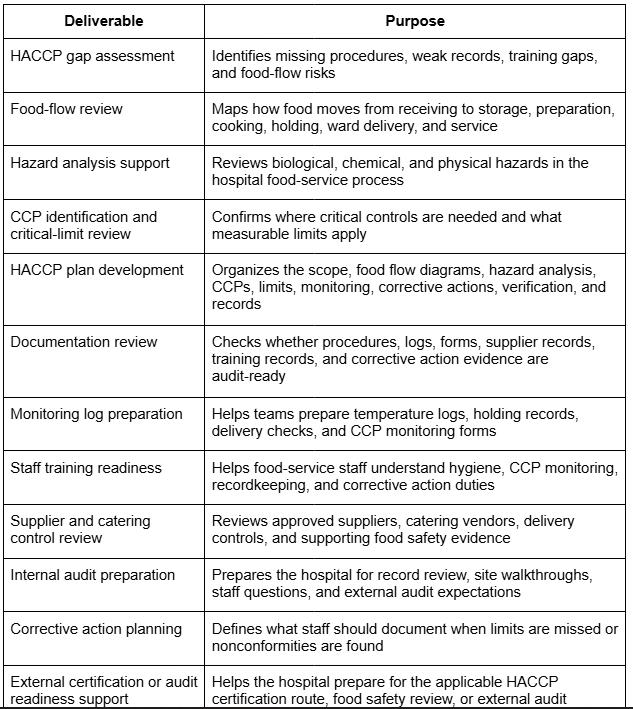
The goal is to help the hospital move from informal food safety practices to a documented, monitored, and auditable system.
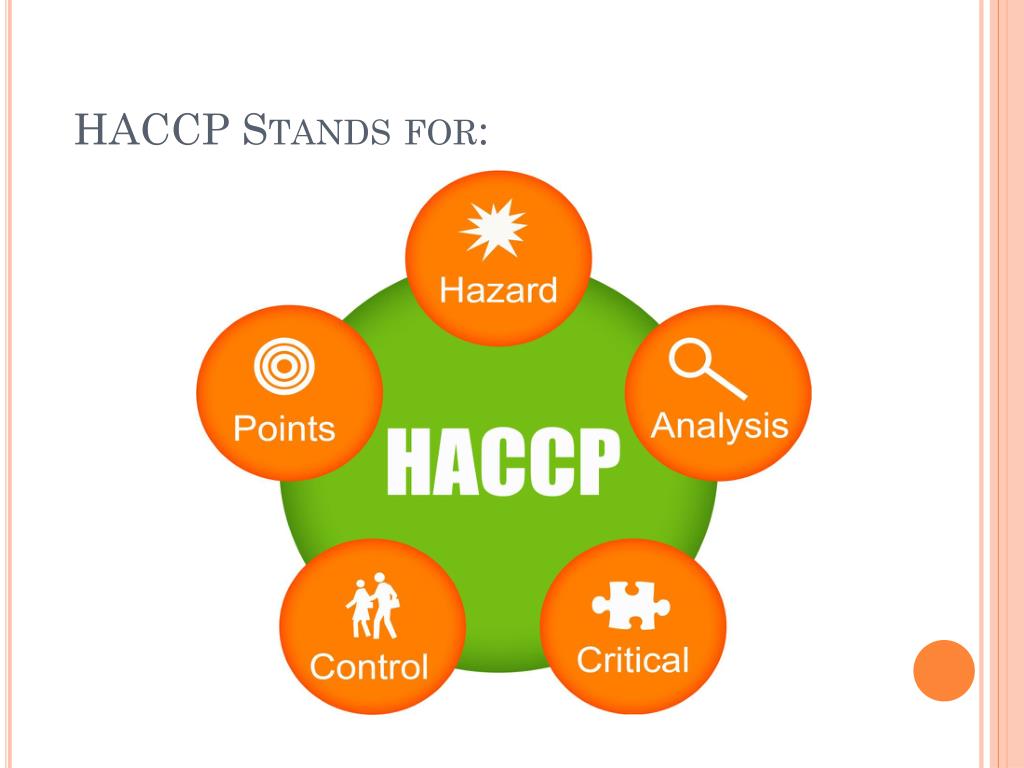
HACCP matters in hospital food service because hospitals serve people whose health status may make food safety failures more serious.
A hospital food safety system should control hazards before they reach the patient tray, cafeteria counter, ward pantry, or catered meal service.
Hospital patients may include vulnerable consumers, including people recovering from surgery, older adults, immunocompromised patients, children, and people with complex medical conditions.
That does not mean every patient has the same risk level. It means hospital food service teams need stronger controls than casual food service environments.
A missed temperature check, poor hygiene practice, or uncontrolled meal delivery process can create avoidable risk.
Hospital kitchens and cafeterias manage several food safety risks at once.
Common risk areas include:
HACCP helps these risks become visible, measurable, and controlled.
Hospital food safety does not stop at the kitchen door.
Food may move through plating areas, tray lines, ward delivery, pantry storage, staff dining, visitor cafeterias, vending areas, and outsourced catering routes. Each handoff can create risk if time, temperature, handling, and sanitation are not controlled.
A strong HACCP system follows the food flow from receiving to serving.
Satisfied Clients
Years of Experience
ISO certifications
HACCP covers the points in hospital food service where hazards can be introduced, controlled, monitored, or corrected.
The exact scope depends on the hospital’s food service model, number of facilities, patient meal system, cafeteria operations, and contractor involvement.
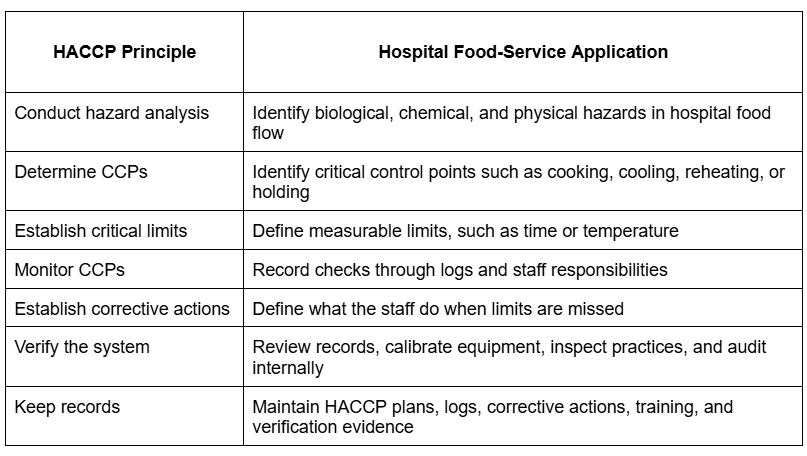
The FDA describes HACCP as a systematic approach based on these seven principles.
HACCP starts before food is cooked.
Receiving controls help confirm that food arrives from approved suppliers, at the correct temperature, in acceptable condition, and with the right documentation. Storage controls help protect dry, chilled, and frozen items. Preparation controls help reduce cross-contamination between raw and ready-to-eat foods.
Cooking controls are often critical because the process must reach defined limits for safety.
For example, a hospital kitchen may monitor cooking temperatures for high-risk foods and record who checked the temperature, when it was checked, and what action was taken if the limit was not met.
Holding and delivery are high-risk points in hospital food service.
Hot foods must stay hot. Cold foods must stay cold. Patient meals may also need to move from production areas to wards, rooms, or specialty units without losing control.
HACCP planning may review:
A meal that was safe when cooked can become unsafe if holding or delivery controls fail.
Hospital cafeterias and outsourced catering vendors should not sit outside the food safety system.
If a contractor prepares or delivers food for patients, staff, or visitors, the hospital should define how that vendor is approved, monitored, and documented.
Vendor review may include supplier approval records, food safety certificates, temperature logs, delivery controls, menu controls, cleaning records, and corrective action history.
HACCP helps hospitals identify and control biological, chemical, and physical hazards in food service operations.
The system is practical. It asks where hazards can occur, which points are critical, what limits apply, how monitoring happens, and what staff must do when something goes wrong.
Biological hazards include bacteria, viruses, parasites, and other microorganisms that can contaminate food.
In hospital food service, biological hazards may be linked to undercooking, poor cooling, unsafe holding temperatures, contaminated equipment, sick food handlers, or poor hygiene.
HACCP controls may include cooking limits, cooling procedures, hand hygiene, cleaning schedules, illness reporting, and temperature monitoring.
Chemical hazards may include cleaning chemical contamination, sanitizer misuse, pesticide residues, or unsafe chemical storage near food.
Physical hazards may include foreign objects such as packaging fragments, plastic pieces, metal fragments, broken utensils, glass, or other materials that should not be in food.
Hospital HACCP planning should review where these hazards could enter the food flow and how staff will prevent or detect them.
Many hospital food safety problems come from ordinary process failures.
Raw food may contact ready-to-eat food. A chilled product may sit too long at room temperature. A staff member may miss a log entry. A serving cart may delay ward delivery. A cleaning step may not be followed.
HACCP does not depend on memory alone. It creates defined controls, monitoring records, and corrective actions for these failure points.
The HACCP certification process for hospitals usually begins with scope review and gap assessment, then moves into hazard analysis, CCP control, documentation, staff training, internal audit, and external audit readiness.
The process should match the hospital’s real food service model.
The scope review defines what the HACCP system or certification review will cover.
The scope may include:
A clear scope prevents confusion during an audit. It also helps the hospital avoid making claims that the system does not support.
A gap assessment compares current food safety practices against HACCP requirements and audit expectations.
The review may identify missing procedures, incomplete CCP logs, weak supplier controls, unclear corrective actions, poor recordkeeping, training gaps, or food flow risks.
This step gives the hospital a practical action plan before certification or external audit review.
Hazard analysis reviews the food flow and identifies where biological, chemical, or physical hazards may occur.
Critical control points are steps where control is essential to prevent, eliminate, or reduce a food safety hazard to an acceptable level.
In a hospital kitchen, a CCP may involve cooking, cooling, reheating, hot holding, cold holding, or another step where measurable control is necessary.
Critical limits define what must be achieved at a CCP.
Monitoring shows whether the limit is being met. Corrective action explains what staff must do when the limit is missed.
For example, if a hot-holding temperature falls below the defined limit, the record should show the time, temperature, staff member, action taken, and whether the food was safely corrected or discarded.
This is where HACCP becomes operational, not theoretical.
Verification checks whether the HACCP system is working as intended.
Hospitals may use record review, thermometer calibration checks, internal audits, supervisor checks, supplier document review, and corrective action review.
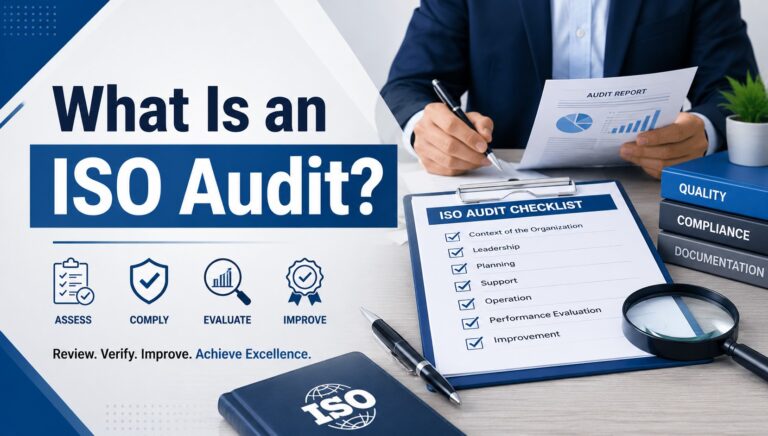
Before an external audit, the hospital should confirm that procedures, training records, monitoring logs, corrective actions, supplier records, and verification evidence are complete and current.
Request a Hospital HACCP Certification Review
Hospital HACCP certification or audit readiness requires documents that show the food safety system is planned, implemented, monitored, and corrected when needed.
The table below shows the main document groups hospitals should prepare.
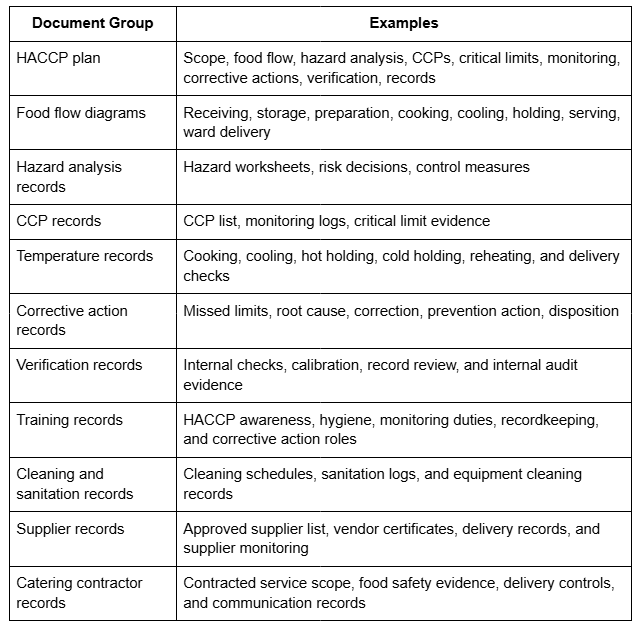
The HACCP plan explains how hazards are controlled across the food service process.
Food flow diagrams help the hospital map each step from receiving to serving. A hospital may need separate flows for patient meals, cafeteria foods, ready-to-eat foods, high-risk foods, ward delivery, or outsourced catering.
The diagram should match reality. Auditors can compare the document against what happens on site.
Hazard analysis records show how the hospital identified hazards and decided which controls were needed.
CCP records show where critical control points exist, what limits apply, who monitors them, and what records prove control.
These records should be clear enough for kitchen staff, supervisors, quality teams, and auditors to understand.
Temperature records are often central to hospital HACCP evidence.
Logs should be complete, legible, dated, and linked to defined limits. Corrective action records should show what happened when limits were missed. Verification records should show that supervisors or quality teams checked whether the system was working.
Missing records create audit weakness even when staff believe the process was followed.
Training records show whether staff understand their HACCP responsibilities.
Cleaning and sanitation records show whether the environment is controlled. Supplier records show whether purchased food and ingredients come from approved sources.
Together, these records support the hospital’s food safety story.
HACCP training helps hospital food service staff understand hazards, CCP monitoring, hygiene duties, recordkeeping, and corrective action responsibilities.
Training should match each role. A kitchen assistant, supervisor, procurement officer, and quality manager do not need the same depth, but each person should understand the controls they affect.
Different hospital teams support HACCP in different ways.
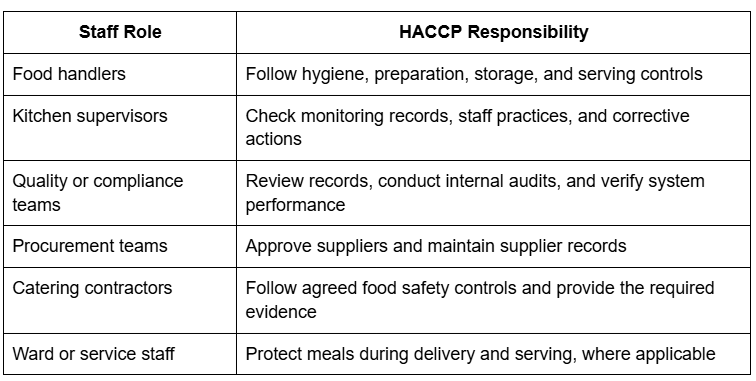
Clear responsibilities reduce missed checks.
An individual HACCP training certificate is not the same as hospital HACCP certification.
A training certificate shows that a person has completed training. Hospital-level HACCP certification or audit readiness reviews the food safety system, documents, records, staff practices, monitoring controls, and corrective actions.
Both can be useful. They serve different purposes.
Hospital HACCP training should cover practical daily behavior.
Staff should know:
Training is only useful when it changes what staff do during real service.
HACCP, ISO 22000, and HACCP training certificates are related, but they are not the same.
The table below explains the difference.
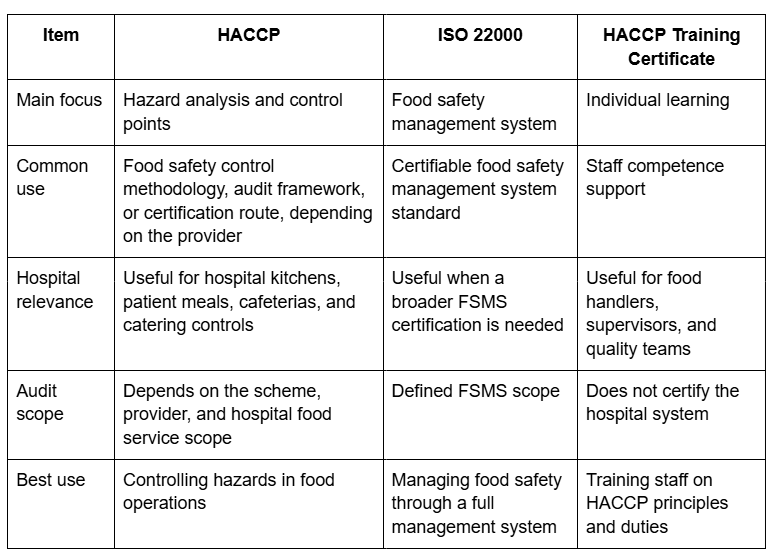
HACCP focuses on hazard analysis, critical control points, monitoring, corrective actions, verification, and records.
ISO 22000 is a food safety management system standard that includes HACCP principles within a broader management-system structure. A hospital may use HACCP for operational hazard control or pursue ISO 22000 when a broader certifiable food safety management system is required.
The right route depends on the hospital’s goals, tender requirements, buyer expectations, regulator expectations, and food service scope.
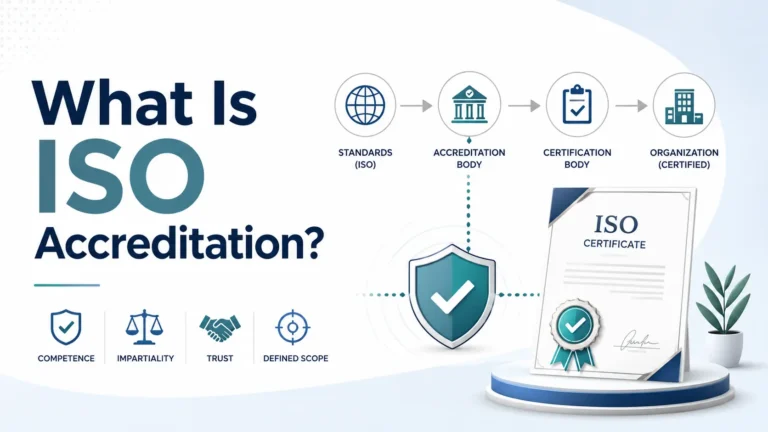
Certificates are issued by external certification bodies, audit providers, or scheme operators, depending on the certification route.
ISO does not issue certificates. ISO publishes standards. Certification decisions come from the body or scheme responsible for the audit.
Hospitals should confirm who will audit the system, what standard or scheme applies, what the certificate covers, and how the certificate can be verified.
The right route depends on what the hospital needs to prove.
A hospital may need HACCP implementation support, HACCP audit readiness, ISO 22000 certification, food safety audit preparation, or staff HACCP training. These are different needs.
Before starting, clarify:

AGS supports hospitals and healthcare food service teams with structured HACCP certification preparation and audit readiness.
The support is practical: review the food service scope, identify documentation gaps, prepare staff, strengthen CCP monitoring, and help the hospital understand the external audit pathway.
AGS can review the hospital food service scope and compare current practices against HACCP expectations.
The assessment may cover kitchens, storage, cafeterias, patient meal preparation, ward delivery, catering contractors, supplier controls, staff training, documentation, and corrective action records.
AGS can help hospitals organize the HACCP plan and supporting records before audit review.
This may include food flow diagrams, hazard analysis worksheets, CCP monitoring logs, temperature records, corrective action forms, verification records, supplier records, and training evidence.
AGS can support HACCP awareness, monitoring responsibility, recordkeeping discipline, hygiene training, and corrective action readiness for hospital food service teams.
Training should help staff understand what to do during daily service, not only what HACCP means on paper.
AGS can help hospitals prepare for the external audit or certification review by checking documents, reviewing records, identifying weak points, supporting corrective actions, and clarifying the expected audit scope.
HACCP Certification for Hospitals should start with a clear review of the food service scope, current controls, documents, staff responsibilities, and audit readiness.
AGS supports hospitals and healthcare food service teams with HACCP gap assessment, HACCP plan support, CCP documentation, staff training readiness, supplier record review, internal audit preparation, and external audit pathway guidance.
Request a Hospital HACCP Certification Review


HACCP certification for hospitals is a food safety audit or certification pathway focused on hazard control across hospital food service operations, including kitchens, patient meals, cafeterias, storage, serving, and catering, where included in scope.
A hospital can get HACCP certification by defining its food service scope, completing a gap assessment, preparing a HACCP plan, training staff, documenting CCP monitoring, completing internal checks, and passing the applicable external audit or certification review.
HACCP certification requirements vary by country, regulator, contract, tender, and internal hospital policy. HACCP-based food safety procedures may be required in some jurisdictions, but a universal global requirement for hospital certification should not be assumed.
HACCP certification usually focuses on food service areas such as kitchens, storage, patient meals, cafeteria operations, ward delivery, and catering services. Procurement, quality, compliance, and vendor management may also be involved.
Common documents include the HACCP plan, food flow diagrams, hazard analysis records, CCP logs, temperature records, corrective action reports, verification records, training records, cleaning records, sanitation logs, and supplier approval records.
HACCP helps control biological, chemical, and physical food safety hazards. In hospitals, this may include contamination, unsafe temperatures, cross-contamination, cleaning chemical risks, foreign objects, and hygiene failures.
Staff training is usually needed because employees must understand hygiene, monitoring, recordkeeping, CCP responsibilities, and corrective actions. Training expectations depend on the hospital’s HACCP scope and audit route.
The timeline depends on hospital size, food service scope, documentation readiness, staff training needs, internal audit findings, corrective actions, and external audit scheduling.
The cost depends on site count, service scope, documentation readiness, training needs, audit body, and whether outsourced catering is included. A hospital-specific review is needed before quoting accurately.
Hospital cafeterias, catering contractors, and outsourced vendors can be included when they fall within the defined HACCP scope, and the hospital can provide the required controls, records, and supplier evidence.
HACCP focuses on hazard analysis and critical control points, while ISO 22000 is a certifiable food safety management system standard. HACCP may support operational control, while ISO 22000 may fit hospitals needing a broader FSMS route.
Online HACCP training can support staff competency, but hospital-level HACCP certification or audit readiness usually requires system review, document review, records review, and often site-level assessment, depending on the audit route.