AGS supports ISO certification preparation for organizations operating across Iraq. The right approach depends on the city, sector, business activity, tender requirement, number of sites, audit risk, and documentation readiness.
ISO certification needs in Iraq are not the same for every location. A contractor in Baghdad, an oil and gas supplier in Basra, a food business in Erbil, and a hospitality supplier in Karbala may all need ISO certification, but the required standard, evidence, scope, and audit preparation will be different.
ISO Certification in Baghdad
Baghdad organizations may need ISO certification for government contracting, private-sector tenders, commercial services, construction projects, healthcare administration, education, IT services, logistics, engineering support, and supplier approval.
As Iraq’s administrative and political capital, Baghdad often creates certification demand around procurement, contracting, public-sector supply chains, professional services, and project-based work. Baghdad is also Iraq’s largest city, which makes scope clarity important for companies with more than one office, department, service line, or project site.
Common ISO certification needs in Baghdad may include:
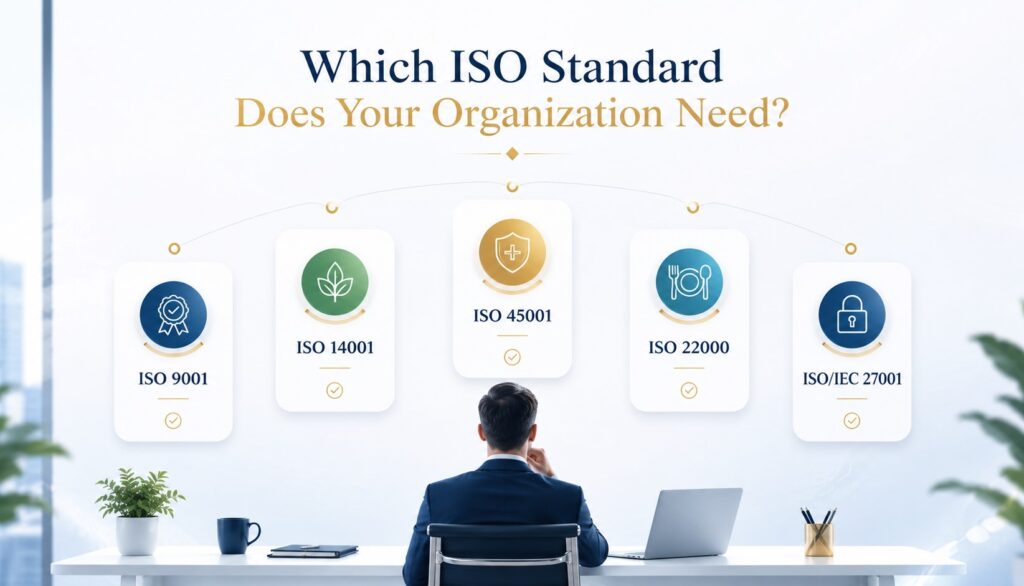
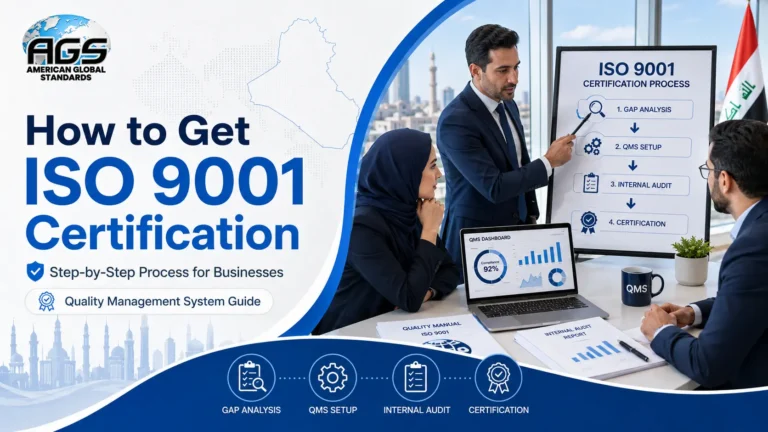
- ISO 9001 for quality management, tender readiness, service consistency, and supplier approval
- ISO 45001 for occupational health and safety in construction, facility, logistics, and site-based work
- ISO 14001 for environmental controls in construction, infrastructure, industrial, and facility operations
- ISO/IEC 27001 for IT, software, telecom, data-handling, and professional service companies
- ISO 22000 for food suppliers, catering companies, and food service operators
For Baghdad-based organizations, AGS can help review tender wording, define the certification scope, prepare documents, check internal audit readiness, support management review preparation, and coordinate the certification audit pathway.
ISO Certification in Basra
Organizations often need ISO certification in Basra because of oil and gas services, ports, logistics, industrial supply, construction, environmental controls, contractor safety, manufacturing, energy projects, and supplier qualification.
Basra has strong oil, gas, port, and industrial relevance. Iraq’s National Investment Commission identifies Basra opportunities across oil and gas, electricity, communication, health, housing, and infrastructure, while official investment material also describes Basra as Iraq’s only port and main sea outlet.
Common ISO certification needs in Basra may include:
- ISO 9001 for contractor quality systems, inspection records, procurement control, and supplier qualification
- ISO 45001 for worker safety, site controls, incident records, PPE control, and contractor HSE expectations
- ISO 14001 for environmental aspects, waste controls, spill response, emissions-related controls, and site monitoring
- ISO 50001 for energy management where energy performance is part of the business or client requirement
- ISO 22301 for continuity planning where service interruption risk is important
- ISO/IEC 17025 readiness for laboratories involved in testing or calibration work
For Basra-based companies, the certification scope should clearly reflect the real activity being offered to clients. A supplier, inspection company, logistics provider, fabrication contractor, or oilfield service company may need different records, procedures, legal registers, training evidence, equipment records, and operational controls.
ISO Certification in Erbil and the Kurdistan Region
Organizations in Erbil and the Kurdistan Region may need ISO certification for construction, trading, real estate development, tourism, hospitality, food supply, logistics, healthcare, education, professional services, manufacturing, agriculture, and regional supplier qualification.
Kurdistan Region investment sources identify priority sectors such as agriculture, tourism, industry, energy, and infrastructure-related investment, and recent KRG investment material highlights continuing construction and building-material demand in the region.
Common ISO certification needs in Erbil and the Kurdistan Region may include:
- ISO 9001 for trading companies, contractors, manufacturers, service providers, and professional firms
- ISO 14001 for construction, industrial, energy, and facility-related operations
- ISO 45001 for contractors, logistics providers, warehouses, factories, and project teams
- ISO 22000 for food processing, catering, hospitality suppliers, restaurants, storage, and food transport
- ISO/IEC 27001 for IT, telecom, software, data, and digital service providers
For Erbil and Kurdistan Region organizations, AGS can help confirm whether certification should cover one office, multiple branches, warehouses, project sites, or regional operations. This is important because the certificate scope should match the activity being submitted for client approval, tender qualification, or supplier registration.
ISO Certification in Najaf and Karbala
Najaf and Karbala organizations may need ISO certification for hospitality, food service, catering, healthcare support, cleaning services, transport, retail supply, construction, education, procurement, trading, and service operations.
Religious tourism and pilgrimage activity create strong demand for hospitality, food handling, transport, healthcare support, cleaning, retail, accommodation, and crowd-service operations in Najaf and Karbala. Public reporting and research consistently connect these cities with religious tourism, hotels, restaurants, transport, retail, healthcare, and temporary service activity.
Common ISO certification needs in Najaf and Karbala may include:
- ISO 9001 for hotels, service providers, contractors, suppliers, clinics, education providers, and trading companies
- ISO 22000 for restaurants, catering, food suppliers, hotel kitchens, food storage, and food transport
- ISO 45001 for construction firms, facility teams, transport operators, cleaning providers, and site-based staff
- ISO 14001 for waste-producing operations, facilities, contractors, and service providers with environmental controls
- ISO 13485 where medical device-related supply or distribution requirements apply
For Najaf and Karbala businesses, documentation should not be generic. Food businesses may need supplier approval records, hygiene controls, traceability records, temperature records, hazard controls, and corrective action logs. Contractors and service providers may need safety procedures, training records, incident records, inspection evidence, and supplier controls.
ISO Certification in Mosul, Hillah, Sulaymaniyah, Duhok, and Other Governorates
AGS also supports organizations in Mosul, Kirkuk, Sulaymaniyah, Duhok, Anbar, Diwaniya, Maysan, Thi Qar, Babil, Hillah, and other Iraqi governorates depending on the standard, audit objective, site risk, records, and certification body requirements.
Organizations outside Baghdad, Basra, Erbil, Najaf, and Karbala may need ISO certification for construction, manufacturing, logistics, agriculture, food supply, healthcare, education, oil and gas support, public procurement, private-sector supplier approval, and internal management system improvement.
Support may be remote, onsite, or mixed depending on the organization’s location, number of sites, documentation status, audit risk, and certification timeline.