ISO 50001 Certification UAE - Energy Management System (EnMS)

ISO 50001 Certification UAE helps organizations control energy use, reduce operating costs, and demonstrate regulatory and sustainability discipline across Dubai, Abu Dhabi, Sharjah, JAFZA, Dubai Industrial City, and other UAE business zones. AGS provides accredited third‑party ISO 50001 audits for organizations that need an Energy Management System assessed by an independent certification body.

What is ISO 50001:2018 Certification?

ISO 50001:2018 is the international standard for Energy Management Systems. It specifies requirements to establish, implement, maintain, and improve energy management practices that enhance energy efficiency, reduce costs, and lower environmental impact. ISO 50001 certification requires an organization to:


  • Develop an energy policy and set energy objectives
  • Conduct energy reviews and establish energy baselines (EnB)
  • Define Energy Performance Indicators (EnPI) to track progress
  • Implement action plans to improve energy performance
  • Monitor, measure, and analyze energy use
  • Continually improve the Energy Management System
  • Demonstrate compliance with legal and regulatory requirements


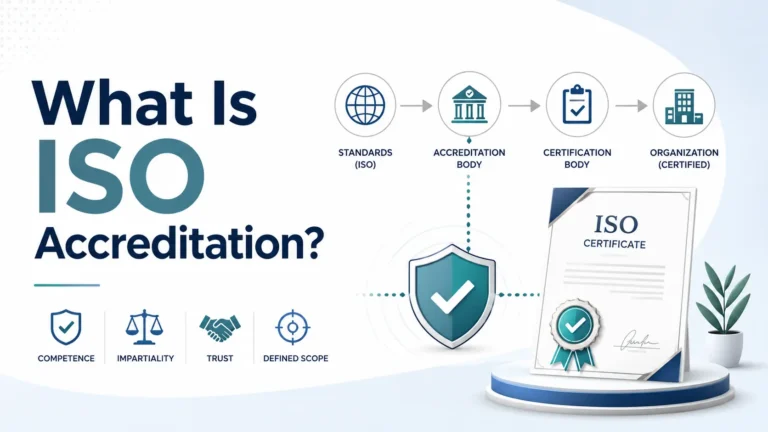
ISO develops the standard. Accredited certification bodies audit organizations against the standard. That distinction matters in the UAE because regulators, tender authorities, and enterprise procurement teams look for accredited third‑party certification.

Apply For The Certification Today

Why ISO 50001 Matters for Organizations in the UAE?

Complying with UAE Federal Decree‑Law No. 11 of 2024

UAE Federal Decree‑Law No. 11 of 2024 requires large emitters (500,000+ tons CO₂ equivalent annually) to monitor and report greenhouse gas emissions. ISO 50001 provides the framework to establish energy baselines, track energy performance, and document structured emissions monitoring.

Supporting UAE Net Zero 2050 and Sustainability Goals

UAE Net Zero 2050 sets national direction for decarbonization. ISO 50001 helps organizations align internal energy management with policy goals under UAE Vision, Dubai Clean Energy Strategy, and Abu Dhabi Energy Strategy – supporting ESG positioning and stakeholder confidence.

Reducing Energy Costs and Improving Profitability

Energy‑intensive operations carry real cost exposure. ISO 50001 drives systematic identification of energy‑saving opportunities and typically supports 10‑20% energy cost reduction within the first few years.

6 main business outcomes in the UAE:

  • Ensures compliance support for UAE Federal Decree‑Law No. 11 of 2024 GHG reporting expectations
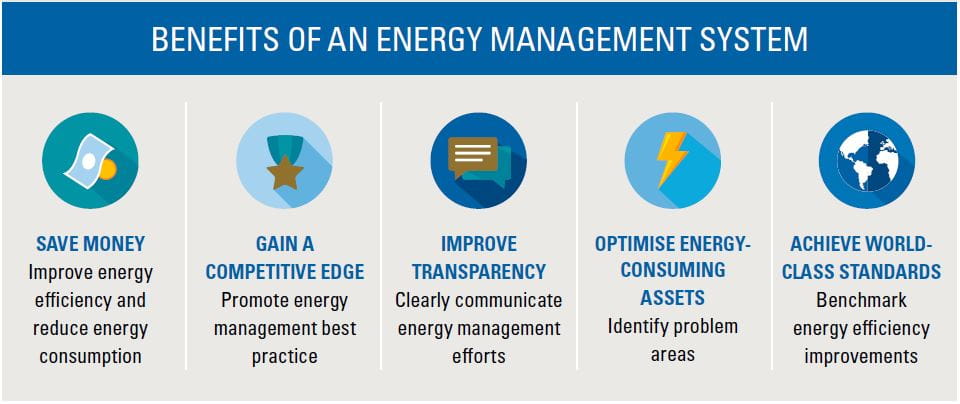
  • Reduces energy consumption and operational costs by 10‑20% on average
  • Lowers carbon footprint and supports UAE Net Zero 2050
  • Enhances reputation with regulators, investors, and stakeholders
  • Provides competitive advantage in energy‑intensive sectors
  • Supports sustainability reporting and ESG commitments

Key Industries Benefiting from ISO 50001 in the UAE

Manufacturing & Industrial Factories in Dubai, Abu Dhabi, Sharjah control energy‑intensive processes and reduce per‑unit costs.
Logistics & Transportation Fleet operations, warehousing, cold storage in JAFZA improve fuel efficiency and reduce emissions.
Hospitality & Tourism Hotels in Dubai/Abu Dhabi manage HVAC, lighting, water heating while strengthening green credentials.
Oil & Gas Upstream and downstream operations manage energy intensity across extraction, processing, distribution.
Utilities & Energy Suppliers Power generation, water desalination, district cooling support regulatory compliance.
Commercial Real Estate Large building portfolios optimize HVAC, lighting, lifts, BMS across multiple properties.

Understanding the EnMS Framework: PDCA, EnPI, and EnB

ISO 50001 is built on the Plan‑Do‑Check‑Act framework, with specific emphasis on Energy Baselines (EnB) and Energy Performance Indicators (EnPI).

Plan

Energy review, establish baselines (EnB), define EnPI, set objectives and targets, develop action plans.

Do

Implement action plans, operational controls, communicate requirements.

Check

Monitor and analyze energy performance against EnPI, evaluate compliance, internal audit.

Act

Take corrective actions and improve the EnMS.

  • Energy Baselines (EnB): Quantitative reference points (e.g., kWh per unit of production, per square meter, per occupied room) against which energy performance is compared.
  • Energy Performance Indicators (EnPI): Metrics that quantify energy performance (e.g., kWh/unit, fuel/km, kWh/room).

The ISO 50001 Certification Process in the UAE

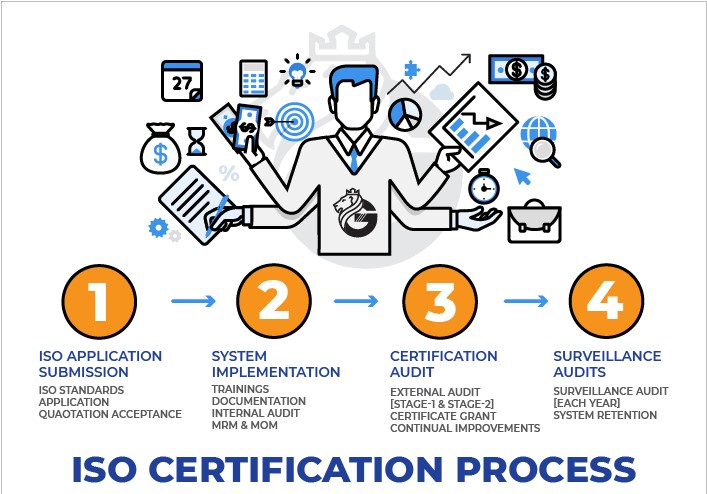
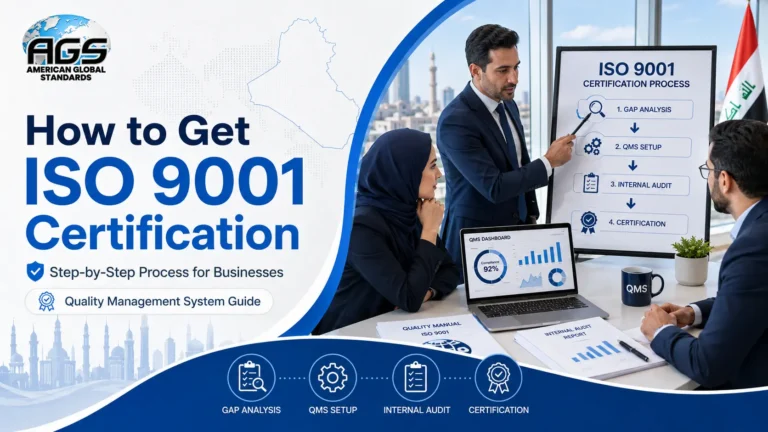
  1. Gap Analysis: Assess current practices against ISO 50001 requirements.
  2. EnMS Implementation: Develop energy policy, baselines, EnPI, objectives, controls.
  3. Internal Audit: Check conformity and effectiveness.
  4. Management Review: Leadership reviews energy performance and system status.
  5. Stage 1 Audit: Readiness review (documentation, baselines, EnPI logic).
  6. Stage 2 Audit: Full assessment: site visits, interviews, record review.
  7. Certification Decision: Independent technical review, certificate issuance.
  8. Surveillance Audits: Annually in years 1 and 2.
  9. Recertification: Every 3 years, renew certification.


Biggest delays: weak baseline data, incomplete EnPI logic, poor documentation discipline.

How Long Does ISO 50001 Certification Take in the UAE?

Typically 4 to 8 months from implementation start to certificate issuance. Small to medium organizations often complete in 4‑6 months; multi‑site or complex industrial operations may take 6‑8 months.

ISO 50001 Validity and Maintenance

Valid for three years, subject to passing annual surveillance audits (years 1 and 2). Recertification audit at year 3 renews the cycle.

  • Year 1: Surveillance audit, ongoing implementation and improvement
  • Year 2: Surveillance audit, continued conformity
  • Year 3: Recertification audit, renew certification

Consultants vs. Accredited Certification Bodies for ISO 50001

Energy management consultants help develop, document, and implement the EnMS. Accredited certification bodies perform the independent third‑party audit and issue the certificate. AGS maintains structural separation and impartiality safeguards – we do not audit organizations we have consulted for.

Meeting UAE Regulatory Compliance with ISO 50001

UAE Federal Decree‑Law No. 11 of 2024 mandates large emitters (500,000+ tons CO₂e annually) to monitor and report GHG emissions. ISO 50001 provides the framework to operationalize these requirements.

Decree‑Law RequirementISO 50001 ElementsHow AGS Certification Helps
Monitor GHG emissionsClause 6.3 energy review, Clause 9.1 monitoring and measurementEnergy baselines and EnPI establish quantitative monitoring of energy use, supporting emissions tracking
Report emissions to authoritiesClause 7.5 documented information, Clause 9.1.2 evaluation of complianceDocumented EnMS creates auditable records for reporting
Establish emissions reduction targetsClause 6.2 objectives, targets, and action plansISO 50001 requires documented energy objectives and action plans
Demonstrate complianceClause 4.2 needs of interested parties, Clause 9.3 management reviewIndependent certification provides third‑party validation of system discipline

ISO 50001 certification acts as a compliance shield, demonstrating systematic energy management and documented monitoring aligned with international best practice.

Why Accreditation Matters: The AGS Difference

Accreditation confirms that a certification body is competent, impartial, and authorized to certify within a defined scope.

What is Accreditation? (IAS, EIAC, and IAF)

  • IAS: International Accreditation Service, IAF MLA signatory, global recognition.
  • EIAC: Emirates International Accreditation Centre, UAE national accreditation body, IAF MLA signatory.
  • IAF: International Accreditation Forum, manages international recognition arrangement.

IAS vs. EIAC: Which Accreditation Matters for Your UAE Business?

Accreditation BodyPrimary RecognitionBest For
EIACUAE national recognitionOrganizations whose primary operations and reporting sit inside the UAE
IASGlobal recognitionOrganizations with export markets, multinational clients, or USA‑linked structures

AGS holds both routes, giving UAE organizations flexibility.

How to Verify an ISO 27001 Certificate (IAF CertSearch)?

IAF CertSearch is the official global database for accredited management system certificate validation.


  1. Visit IAF CertSearch
  2. Enter the certificate number or organization name
  3. Review status, scope, and accreditation details
  4. Confirm certificate is current and linked to valid accreditation


AGS also provides a dedicated certificate verification tool for quick status checks.

Start Your ISO 50001 Certification Today

300+

Satisfied Clients

10+

Years of Experience

1700+

ISO certifications

AGS: Your Independent, USA‑Headquartered Certification Partner

USA headquarters + Dubai presence

International audit discipline with local market awareness. Bilingual auditors and coordinated scheduling across time zones.

Impartiality (ISO/IEC 17021-1)

Structural separation, impartiality safeguards, conflict of interest controls – protecting certificate credibility.

The AGS Audit Lifecycle

  • Year 1: Stage 1 + Stage 2 → Certificate issued
  • Year 2: Surveillance Audit 1
  • Year 3: Surveillance Audit 2
  • Year 4: Recertification Audit


A 3‑year partnership that keeps your EnMS current.

Other ISO Certifications We Provide in Iraq

As an accredited body, we issue certificates for the most sought-after management system standards:

Industry‑Specific ISO 50001 Certification in the UAE

  • Dubai Manufacturing: Process heating, compressed air, motors, HVAC – establish EnB/EnPI against production activity.
  • JAFZA Logistics & Fleet: Fleet fuel, warehouse lighting, cooling, chilled storage – measurable framework for efficiency.
  • Abu Dhabi Hospitality: HVAC, lighting, hot water, laundry, kitchen – balance guest comfort and energy intensity.

Multi‑Site ISO 50001 Certification for UAE Organizations

Organizations with multiple facilities (e.g., Dubai plant + JAFZA warehouse + Abu Dhabi office) can achieve multi‑site certification under a single coordinated EnMS.


  • Single certificate covering multiple facilities
  • Internationally recognized sampling methodology for audit efficiency
  • Consistent energy performance definitions and reporting across the group
  • Balance between central policy and site‑specific controls

Our Happy Client's

ISO 50001 Frequently Asked Questions

How does ISO 50001 help with UAE Federal Decree‑Law No. 11 of 2024 compliance?

ISO 50001 provides the systematic framework for GHG emissions monitoring by establishing energy baselines, EnPI, documented controls, and management review – supporting the reporting discipline expected for large emitters.

What is the difference between accredited and non‑accredited ISO 50001 certification?

Accredited certification is issued by a body evaluated by IAS or EIAC. Non‑accredited certificates lack independent verification and face acceptance issues in tenders and supply chains.

How do I verify an ISO 50001 certificate from the UAE?

Use IAF CertSearch or AGS's verification tool. Enter the certificate number or organization name to check status, scope, and accreditation details.

Should I hire a consultant or go direct to a certification body?

Most use a consultant for preparation and a certification body for the final audit. AGS maintains strict separation and does not consult for organizations we audit.

Is ISO 50001 certification mandatory in the UAE?

Not legally mandatory for most, but increasingly relevant in government tenders, DEWA‑linked contexts, and for large emitters under Decree‑Law No. 11.

How long is ISO 50001 certification valid?

Three years, subject to passing surveillance audits in years 1 and 2, and recertification before expiry.

Start Your ISO 50001 Certification Journey with AGS

ISO 50001 certification is a strategic framework that reduces costs, supports UAE compliance, and demonstrates sustainability commitment. Contact our UAE team today:

Translate »