Home » ISO 37001
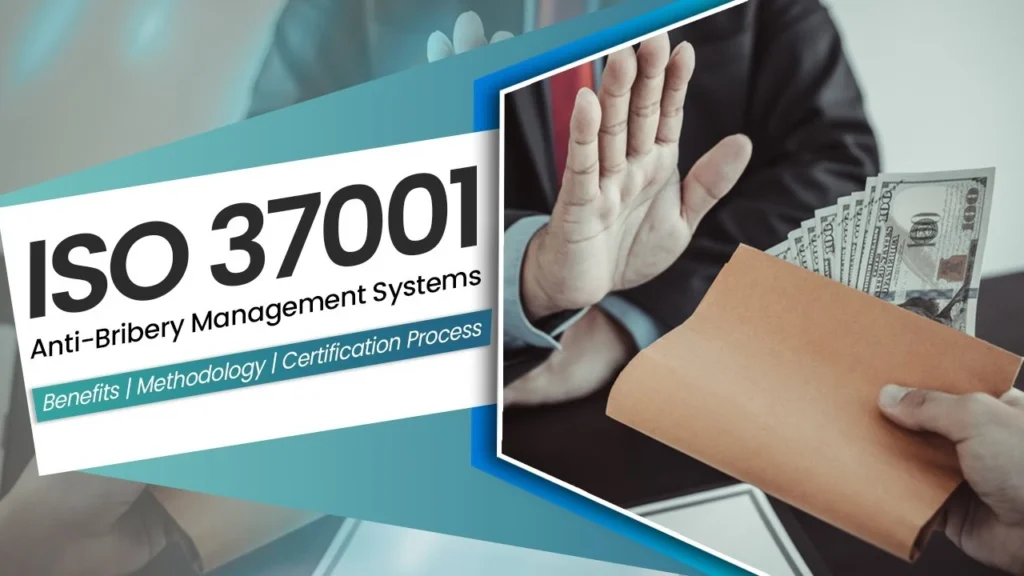
ISO 37001 certification is a third-party confirmation that an organization’s Anti-bribery Management System conforms to ISO 37001:2025. ISO 37001:2025 (Edition 2), published in February 2025, replaces ISO 37001:2016 as the current version of the standard. The standard is designed to help organizations establish, implement, maintain, and improve an ABMS that can prevent, detect, and respond to bribery while supporting compliance with anti-bribery laws and voluntary commitments. It is a management system certification for the organization, not a credential for an individual.
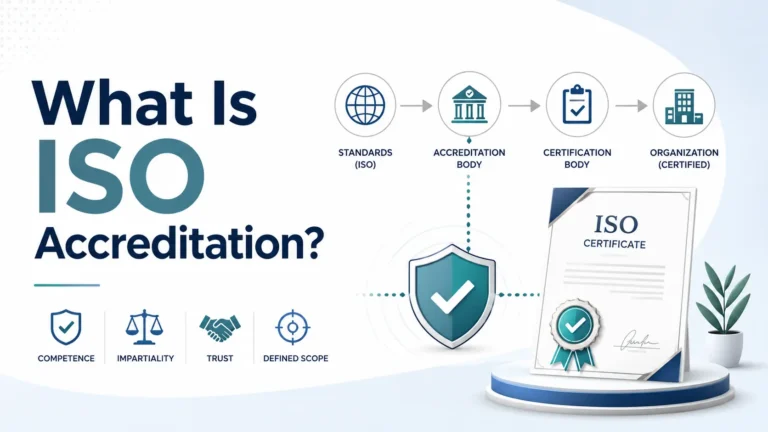
ISO publishes the standard but does not issue certificates. Certification is carried out by independent certification bodies. Accreditation adds an extra layer of confidence in the certifier’s competence, and organizations can use IAF CertSearch to verify accredited certification and accreditation status.
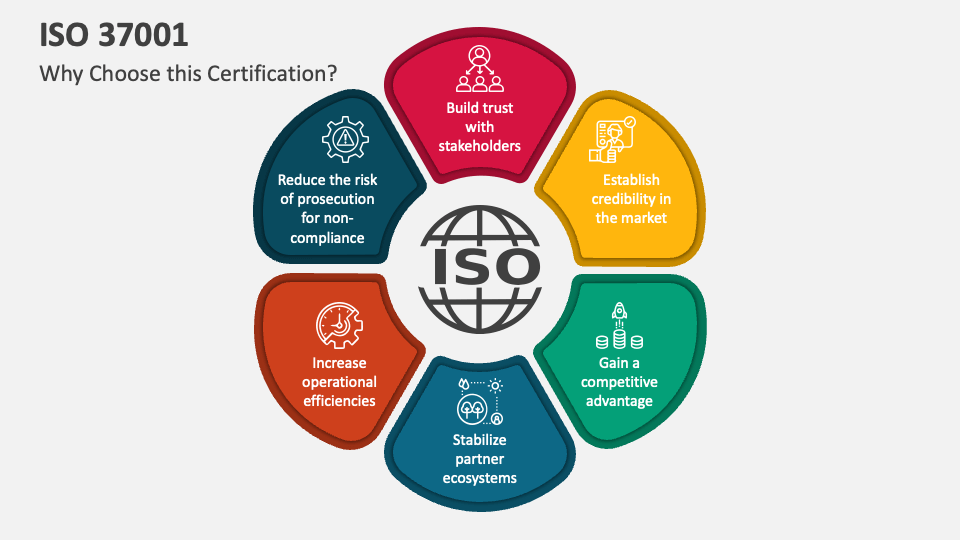
The business case is practical. Organizations pursue ISO 37001 certification to reduce bribery risk, strengthen governance, improve stakeholder confidence, and demonstrate that anti-bribery controls are actively managed through a structured system, not just documented in policies. The 2025 edition also highlights integration with standards such as ISO 9001 and ISO 37301, and ISO 37001 is designed to integrate into existing management systems rather than operate as a standalone framework.
ISO 37001:2025 is the standard. ISO 37001 certification is the independent audit and confirmation of an organization’s ABMS against that standard.
The certifiable subject is the management system used to control bribery risk—not a training course, not a consultant’s methodology, and not a certificate issued by ISO.
The standard focuses specifically on bribery. It applies to public- and private-sector bribery, direct or indirect, and both financial and non-financial undue advantage—while remaining focused on bribery rather than broader corruption or financial crime.
ISO 37001 is designed to be widely applicable. It can be used by small, medium, and large organizations across public, private, and not-for-profit sectors. Certification can apply to an entire organization or to defined parts of it.
That flexibility makes it relevant in situations such as:
In practice, organizations usually pursue certification due to governance maturity, external pressure, or commercial necessity. Procurement requirements, partner due diligence, investor scrutiny, and higher-risk market activity often turn ISO 37001 from a “good idea” into a requirement.
At a practical level, an ABMS under ISO 37001 typically includes:
ISO 37001 goes beyond policy. It requires organizations to translate anti-bribery commitments into controls, responsibilities, records, and review cycles that operate in practice. This is what makes certification valuable during due diligence; it shows the system is active, not theoretical.
Get a clear view of your current position, gaps, and next steps before committing to certification.
Request an ISO 37001 readiness assessment with a clear gap analysis, timeline, and recommended certification path.
Satisfied Clients
Years of Experience
ISO certifications
ISO 37001 certification provides independent evidence that your anti-bribery controls are structured, active, and regularly audited. It supports risk reduction, strengthens compliance, and builds confidence with stakeholders.
In practical terms, it helps organizations:
It’s important to be clear about the boundary: certification does not guarantee that bribery will never occur. What it does provide is a structured system to prevent, detect, and respond to risk more effectively.
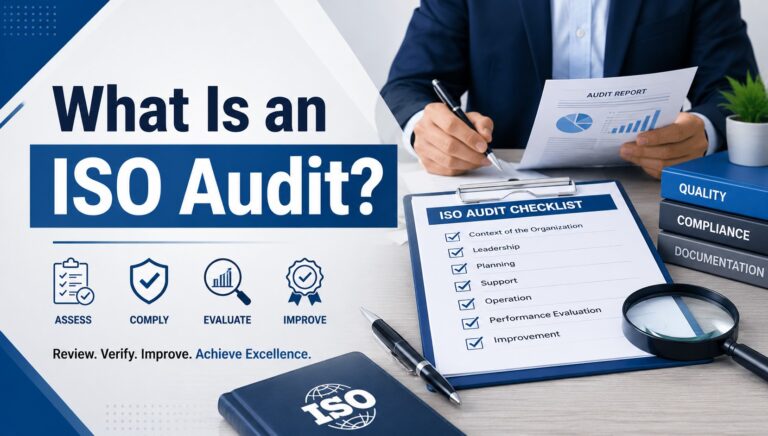
Certification is a staged process that combines implementation and an independent audit. A typical path includes:
Accredited certification bodies operate against defined competence requirements, including standards such as ISO/IEC TS 17021-9 for anti-bribery management systems. In most cases, the most effective starting point is a readiness review or gap assessment to reduce rework before the certification audits.
Implementation timelines vary depending on organizational size, structure, geographic spread, and existing maturity.
Larger or more complex organizations may take one to two years to fully implement and certify an ABMS. Smaller organizations with fewer layers and simpler operations may complete the process in a matter of months.
In practice, timelines depend more on readiness than on the audit itself. Organizations with existing governance structures, documented controls, and active review processes typically move faster.
Certification bodies and consultants serve different roles. Certification bodies conduct independent audits and make certification decisions. Consultants support preparation, gap closure, and implementation. Accredited certification provides stronger assurance of competence, and organizations can verify accredited certification and certification bodies through IAF CertSearch, the global database referenced by ISO.
When selecting a provider, consider:
Accreditation is not the same as certification, but it adds confidence in the credibility of the certification process.
If you are evaluating ISO 37001 certification, the most effective next step is a focused discussion based on your organization’s current position.
A useful starting conversation should cover:
This approach gives you a clear, tailored certification path rather than a generic process.
Get a clear, scoped ISO 37001 certification plan tailored to your organization’s structure, risk profile, and readiness level.
Request a tailored ISO 37001 certification plan, including scope, timeline, and next steps based on your organization’s current maturity.


Generally no. ISO’s FAQ says it is voluntary, but it can become a legal or contractual requirement in some industries or procurement contexts.
It shows that a structured ABMS is in place and has been independently assessed. It does not prove that bribery can never happen. ISO and DNV both make that limitation explicit.
There is no universal fixed price. Cost usually depends on scope, complexity, readiness, and the certification body. Quote-based pricing is normal in this market. NQA says it provides a clear indication of costs after the initial discussion rather than publishing a universal fee.
NQA states certification is valid for three years, with surveillance audits in years one and two and a recertification audit in year three.
The current edition is ISO 37001:2025. ISO’s 2025 brochure identifies it as Edition 2.
Yes. ISO’s FAQ says the standard is designed to be integrated with existing management processes and controls, and it specifically mentions integration with ISO 9001. The 2025 brochure also references integration with ISO 37301.
Not on this page. This page is about organizational certification. Training is a separate intent and should sit on dedicated child pages.